

Environmental Monitoring
Learn data collection methods that regulatory agencies actually use
Our seminars cover the practical aspects of environmental monitoring that you need for real projects. You'll learn how to collect samples correctly, interpret regulatory requirements, and document findings in formats that agencies accept. The program focuses on techniques currently used in industrial compliance monitoring, water quality assessment, and air pollution tracking. We teach you what equipment to use, how to calibrate it properly, and what to do when readings don't make sense.
Tools for organizations
We help companies build environmental monitoring capabilities within their teams. Whether you need to train compliance officers, upskill field technicians, or develop internal expertise for regulatory reporting, our seminars provide structured knowledge transfer that fits into operational schedules.
Compliance Training
Train teams to meet regulatory requirements with precision. Our programs cover documentation standards, sampling protocols, and reporting formats that match what environmental agencies expect. Participants learn to identify compliance gaps and implement corrective procedures.
Team Standardization
Establish consistent monitoring practices across multiple locations or departments. Seminars provide shared frameworks for data collection, quality control procedures, and inter-team communication that reduce variability in environmental assessments and improve data reliability organization-wide.
Internal Expertise
Develop in-house specialists who can handle routine monitoring without external consultants. Training covers instrument operation, sample preservation, chain of custody procedures, and preliminary data interpretation. This reduces dependency on third parties for standard environmental assessments.
Building professional networks
Learning alongside peers creates connections that extend beyond seminar schedules.
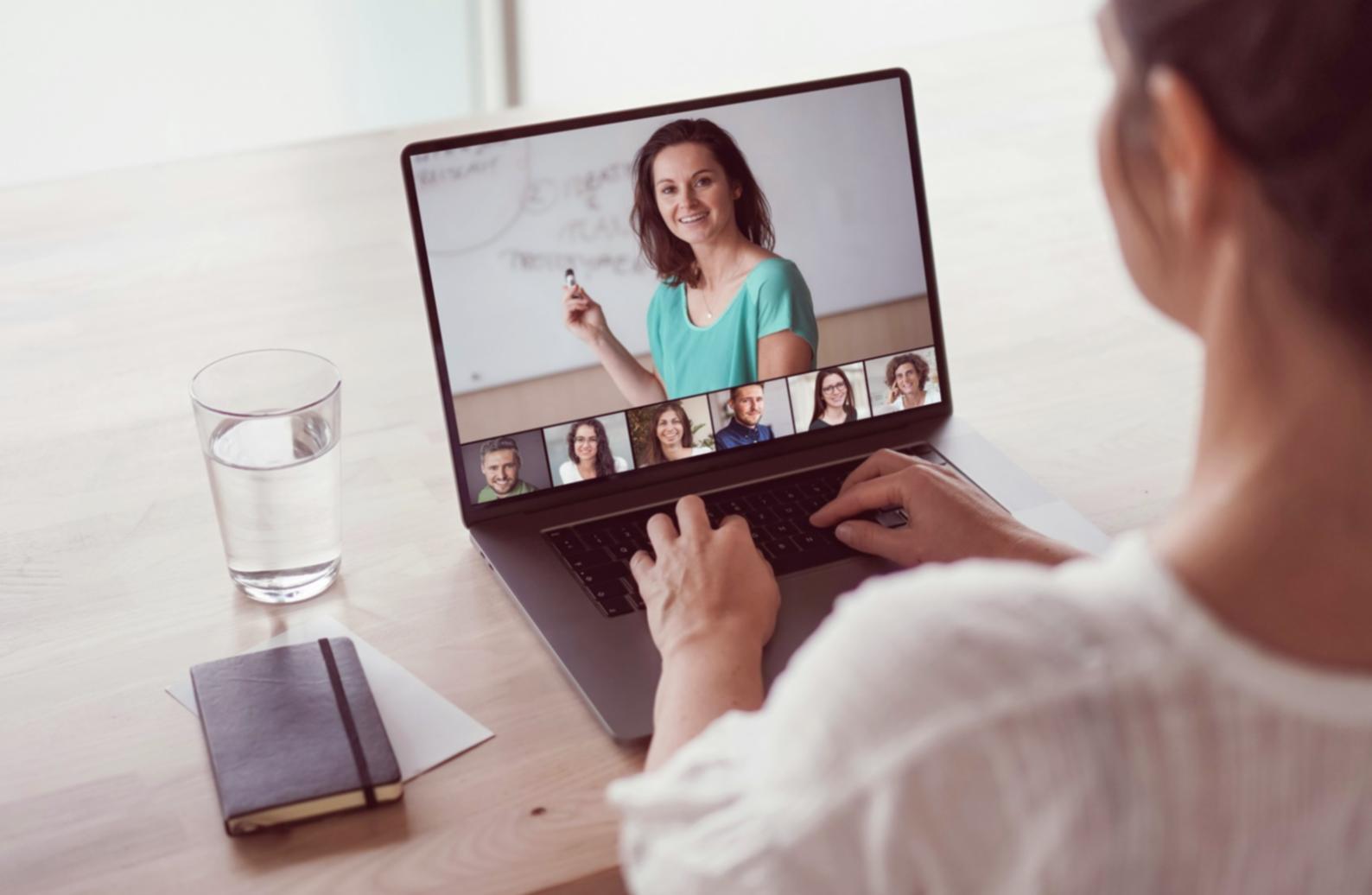
Participants work through case studies and problem sets together, which naturally leads to discussions about field challenges and solution approaches. These interactions often continue after seminars end, forming professional relationships that prove useful when facing similar monitoring situations in different contexts.
The discussion format encourages participants to share their operational experiences and troubleshooting strategies. This peer exchange supplements instructor-led content with practical insights from various industries and regulatory environments. You gain perspective on how others handle equipment failures, deal with unusual readings, or navigate reporting requirements.
Many participants report that connections made during seminars become informal consultation resources. When facing unfamiliar monitoring scenarios, they can reach out to peers who've encountered similar situations. This extends the value of the learning experience well beyond the scheduled seminar hours.
What you'll actually learn
Sampling Methodology
Understand how to collect representative samples that meet regulatory standards. Learn proper sampling frequencies, preservation techniques, and documentation requirements. Know when grab samples are sufficient versus when composite sampling is necessary, and how to avoid common collection errors that invalidate results.
Equipment Operation
Gain hands-on familiarity with standard monitoring instruments including spectrophotometers, pH meters, dissolved oxygen probes, and particulate samplers. Learn calibration procedures, maintenance schedules, and troubleshooting approaches. Understand equipment limitations and when readings should be questioned.
Data Interpretation
Develop skills to evaluate monitoring data for accuracy and compliance. Learn to identify outliers, assess measurement uncertainty, and determine when resampling is warranted. Understand how to compare results against regulatory thresholds and document findings in technically sound reports.
Regulatory Context
Navigate environmental regulations that govern monitoring requirements in industrial settings. Understand permitting conditions, reporting deadlines, and documentation standards. Learn how to interpret regulatory language and apply requirements to specific monitoring scenarios without over-engineering solutions.
Support after completion
Industry collaboration
We maintain working relationships with environmental laboratories, equipment manufacturers, and regulatory consultants. These partnerships inform our curriculum content and provide participants with exposure to current industry practices beyond academic theory.
Laboratory Networks
Accredited environmental laboratories provide insight into analytical quality assurance, chain of custody procedures, and sample handling requirements. These partnerships help us teach realistic expectations about turnaround times, detection limits, and result interpretation that match what participants will encounter in commercial lab relationships.
Equipment Suppliers
Manufacturers of monitoring instruments contribute technical specifications, troubleshooting guidance, and insights into proper maintenance practices. This collaboration ensures our training reflects current equipment capabilities and limitations rather than outdated or idealized performance assumptions.
Compliance Consultants
Environmental consultants who handle regulatory submissions review our content for practical accuracy. They help identify common mistakes that lead to compliance issues and suggest focus areas that reduce real-world problems. This ensures training addresses situations that participants will actually face in regulated industries.
Field Services
Companies that perform on-site monitoring share operational challenges and field-tested solutions. Their input helps us teach practical approaches to weather-related sampling issues, site access constraints, and equipment transport considerations that textbooks typically ignore but practitioners face regularly.